

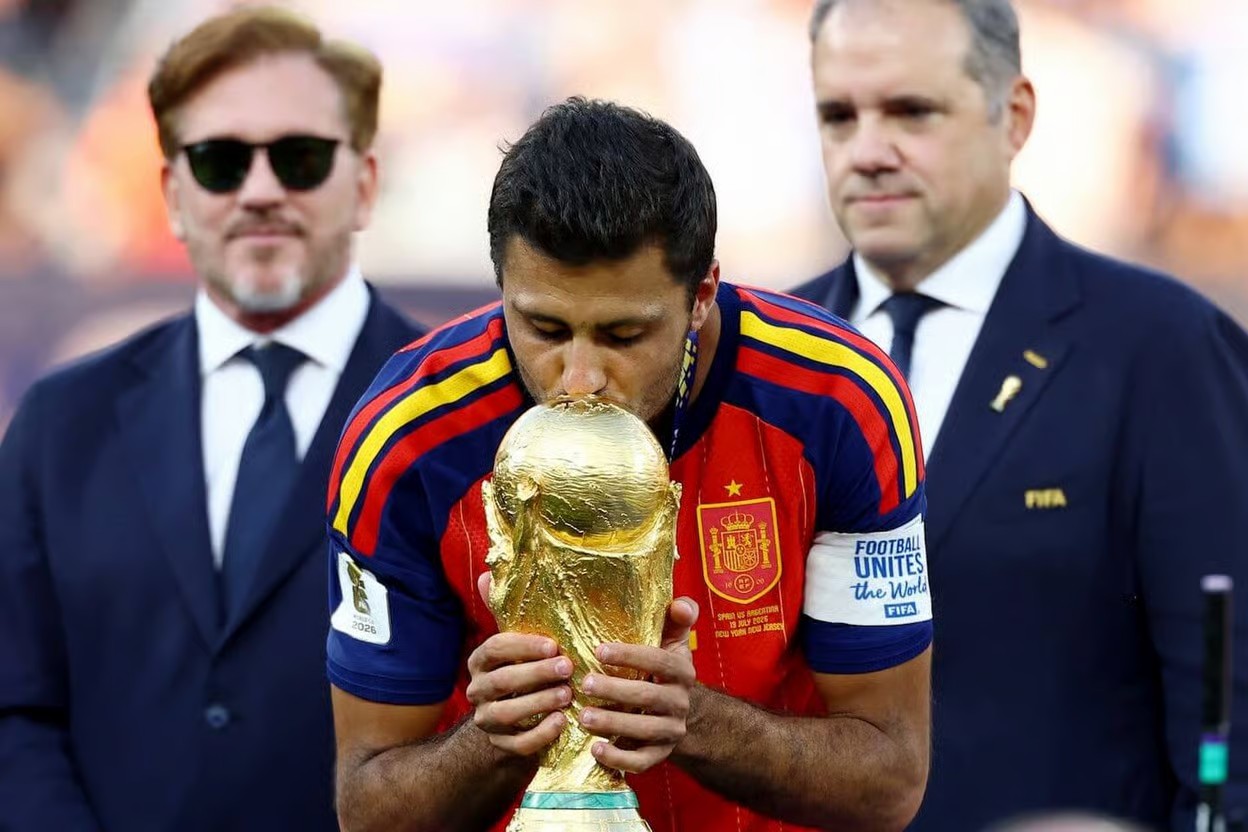
Spain Crowned World Champions Again
Spain returned to the summit of world football after a disciplined, patient and dominant performance against defending champions Argentina.
Sixteen years after winning their first World Cup in South Africa, La Roja lifted the trophy again, this time under Luis de la Fuente, whose side showed maturity, tactical control and resilience on the biggest stage.
The final was not a high-scoring spectacle, but it was a match Spain largely controlled. They dictated possession, pressed aggressively when they lost the ball and prevented Argentina from building sustained attacks.
Argentina, led by Lionel Messi in what may have been his final World Cup appearance, struggled to produce any meaningful threat for most of the game. The defending champions were forced to defend deep and rely heavily on goalkeeper Emiliano Martinez, who produced several outstanding saves to keep them alive.
Torres Delivers The Decisive Moment
The breakthrough finally arrived in the 106th minute, just seconds after the second half of extra time had begun.
Spain worked the ball down the right side through Pedro Porro, whose cross reached the back post. Nico Williams showed excellent awareness and control to keep the move alive, knocking the ball into the path of Ferran Torres.
Torres made no mistake.
The Barcelona forward rifled a left-footed strike into the roof of the net, giving Emiliano Martinez no chance and sending Spain’s supporters into celebration.
It was a goal that rewarded Spain’s persistence. De la Fuente’s side had pushed for the opener throughout the second half and extra time, and Torres’ finish finally broke Argentina’s resistance.
Argentina’s Red Card Changed The Final
Argentina had already been under pressure before Enzo Fernandez was sent off, but the red card in the 90+3rd minute shifted the final firmly in Spain’s favour.
Fernandez, already booked for dissent earlier in the second half, lunged into a late challenge on Pau Cubarsi and was dismissed for a second bookable offence.
The sending-off left Argentina with 10 men for extra time and made an already difficult task even harder.
Spain immediately increased the pressure. Lamine Yamal forced a strong late save from Martinez with a free-kick before the match moved into extra time, and once the additional 30 minutes began, La Roja looked the only likely winner.
Argentina battled bravely, but the red card forced them deeper and removed any real control they had in midfield.
Emiliano Martinez Keeps Argentina Alive
If Argentina stayed in the final for as long as they did, it was largely because of Emiliano Martinez.
The goalkeeper produced a remarkable performance, making several important saves to deny Spain across normal time and extra time. He stopped efforts from Mikel Oyarzabal, Ferran Torres, Lamine Yamal, Aymeric Laporte, Pedri and Nico Williams.
By the end of normal time, Martinez had made 10 saves, the most recorded by a goalkeeper in a World Cup final since 1966.
His performance delayed Spain’s celebrations, but even he could not stop Torres’ extra-time winner.
Spain’s Tactical Control
Spain’s victory was built on control.
Rodri dictated the tempo in midfield, constantly receiving under pressure, winning duels and moving the ball into dangerous areas. Fabian Ruiz and Dani Olmo helped Spain dominate central zones, while Yamal and Porro created repeated danger down the right flank.
Argentina struggled to escape Spain’s press. When they tried to build from deep, Spain closed them quickly. When they went long, they often surrendered possession.
The numbers reflected that control. Spain produced 20 shots and an expected goals total of 1.94, while Argentina managed only two attempts and 0.17 xG.
For long periods, Argentina had no answer to Spain’s structure, movement and pressing.
Messi’s World Cup Dream Ends In Heartbreak
For Lionel Messi, the final carried huge emotional weight.
At 39, the Argentina captain was playing what could be his final World Cup match. He had helped guide Argentina to the final with decisive contributions throughout the knockout stage, including the semi-final comeback against England.
But Spain denied him space and rhythm.
Messi had limited touches in dangerous areas and struggled to influence the game as he had done in earlier rounds. He still tried to create late chances, including deliveries from set-pieces in extra time, but Argentina could not find the equaliser.
If this was Messi’s last World Cup appearance, it ended not with another trophy, but with a painful defeat to a Spain side that controlled the occasion.
Key Turning Points
1. Spain’s Early Control
Spain started with confidence and quickly settled into their rhythm. Yamal almost created the opening goal inside the first five minutes, setting the tone for La Roja’s dominance.
2. Argentina’s First-Half Struggles
Argentina failed to register a first-half shot. Spain’s pressing and midfield control left the defending champions chasing the game without creating clear chances.
3. Emiliano Martinez’s Saves
Martinez kept Argentina alive with a series of saves, especially in the final stages of normal time when Spain pushed hard for a winner.
4. Enzo Fernandez Red Card
The 90+3rd-minute dismissal changed the shape of the final. Argentina entered extra time with 10 men and were forced into survival mode.
5. Torres’ Extra-Time Winner
Ferran Torres’ 106th-minute goal settled the final and secured Spain’s second World Cup title.
Tournament Awards
Golden Ball: Rodri
Silver Ball: Lionel Messi
Bronze Ball: Kylian Mbappe
Golden Boot: Kylian Mbappe
Silver Boot: Lionel Messi
Bronze Boot: Jude Bellingham
Golden Glove: Unai Simon
Young Player Award: Pau Cubarsi
Fair Play Trophy: Netherlands
What The Result Means For Spain
Spain’s victory confirms them as the dominant international team of this era.
De la Fuente has built a side with balance, depth and identity. Spain no longer depend only on possession for possession’s sake. They now combine technical control with pressing, defensive organisation and attacking depth from the bench.
The final also underlined the strength of Spain’s new generation. Yamal, Cubarsi, Williams and Pedri all played important roles, while experienced leaders such as Rodri, Simon and Laporte gave the team stability.
Winning the World Cup after already conquering Europe marks a complete triumph for De la Fuente’s project.
What The Result Means For Argentina
Argentina’s title defence ended with disappointment, but they still leave the tournament after another deep run.
Scaloni’s side showed resilience throughout the knockout stage, including late wins over Switzerland and England. However, against Spain, they looked tired, limited and unable to create enough chances.
Their attempt to retain the World Cup fell short, and the defeat may also signal the end of an era, especially if Messi does not return for another tournament.
Argentina remain one of football’s great national teams, but this final belonged to Spain.
Conclusion
Spain’s 1-0 extra-time win over Argentina was a victory built on patience, control and belief.
It took 106 minutes for the breakthrough to arrive, but La Roja had looked the better team throughout. Ferran Torres provided the finish, Nico Williams supplied the crucial assist, Rodri controlled the midfield, and Spain’s defence shut down one of the most experienced attacks in the tournament.
Argentina fought until the end, but they were second best for long stretches and could not overcome the setback of Enzo Fernandez’s red card.
Spain are world champions again, and this triumph confirms the rise of a new golden generation.


